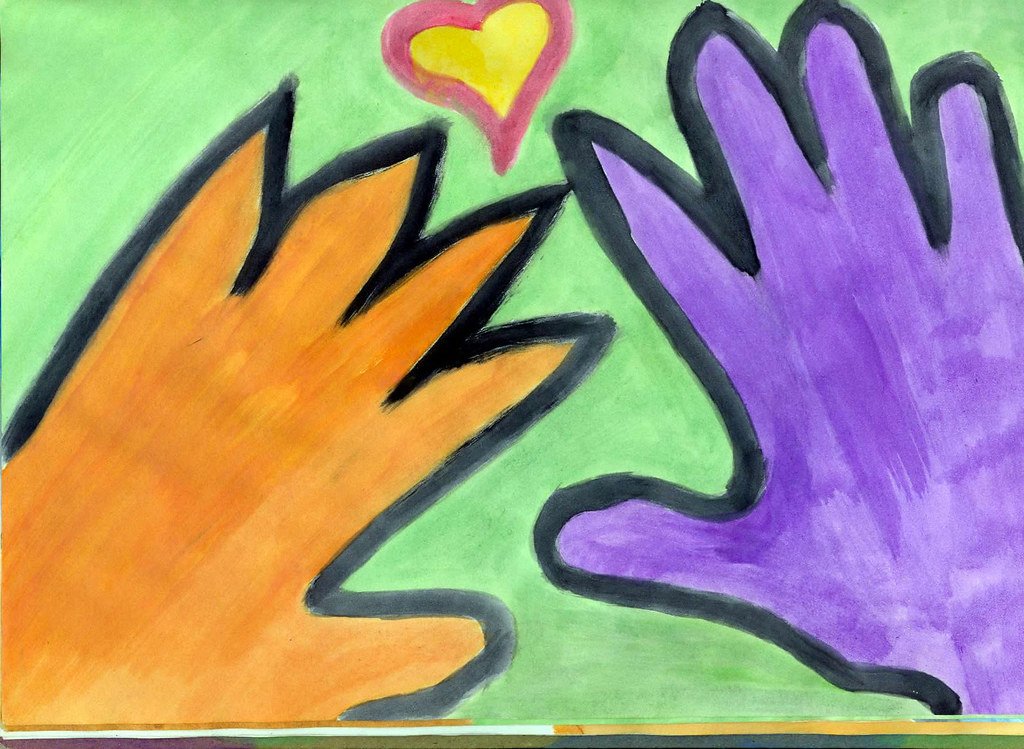
We’re all fighting together
A Ghazal Against Settler Occupation by Adri M.
Settler colonizers come to stay: invasion is a structure, not an event. We’re all fighting together. Dispossession, expropriation, ethnic cleansing and genocide present and past. We’re all dying together.
Voices silenced, journalists arrested, all in the name of social cohesion. Unity as a weapon. The birth of a nation dependant on the destruction of a whole human group. We’re all crying together.
Palestine’s story as resistance. Instead of death and ends, resisting by giving dignity to their dead. Reject Israel’s sovereignty and colonization. Decolonize dead bodies. We’re all mourning together.
A border, not such, nor in practice nor in name. Lebanon, Palestine, separated by a false Blue Line. A line that disappears when racial extermination tries to make it stronger. We’re all aching together.
Haida people in Turtle Island being displaced by “well-intended” settlers. They do see the ruse of consent. “Go condemn the real racists”, the settlers say. “Who consents to have their lands taken?”, we’re all asking together.
The Riviera Maya: settler colonial project. Tourists, visitors, uninvited guests by the millions. Fighting for autonomy by any means necessary. In Tixcacal, they’re all resisting together.
Diné Bikéyah’s long walk. They slaughtered your livestock, diverted your water. Cut off your land and traditions. Thirst-starvation as a military tactic. Colonialism through climate. We’re all starving together.
In Kashmir, India taking over without consent. Promising a Golden Age; delivering fear and hate. Kashmiris forced to watch their thorough destruction, while others profit. Deleted, they’re all fading together.
Armenians displaced from Artsakh. Destruction, looting and cultural erasure. Genocide by attrition. Azerbaijan’s goal is to eliminate: choose oblivion or scatter. We’re all remembering together.
Indigenous workers massacred at Napalpí by Argentina’s government in 1924. Extermination. Racism over capitalism. No reparations. We’re all waiting together.
Taiwan, China, 1661. Koxinga, settler for China but fighting Europe’s colonialism. A story with no timelines, settlers who become native decolonize themselves. We’re all changing together.
We all yearn to be reunited. Prisoners freed. Refugees returned. Homeland as an anchor, a dream of hope. Belonging beyond boundaries or false states. Struggling to be whole again. We will all be returning together.
And me, Adri, watching, witnessing from the middle of my own struggles, with a shared and common oppression, writing, talking, making ourselves heard too. In solidarity with all others. We’re all living together.
Regarding ghazals
Ghazals are a poetry form that originated in 7th century Arabia, traditionally used to express love. They can be experienced in written form but are also performed as songs or passed down through oral tradition. They have some strict requirements that have to be met: - They must consist of no fewer than five and no more than fifteen couplets. - Each couplet must be self-contained. While they are part of a larger message, each must hold meaning on its own. - Every line should have the same number of syllables. This particular ghazal has exactly 27 syllables per line. - A radeef is required. The radeef is a refrain repeated at the end of specific lines and is usually used as the poem’s title. It should appear at the end of lines 1, 2, 4, 6, 8, 10, and so on. In this ghazal, the radeef is the word “together.” - There must also be a kafiya. The kafiya is a rhyming phrase that precedes each radeef. Each kafiya must be unique throughout the poem. The kafiyas in this ghazal are phrases like “we’re all fighting,” “we’re all dying,” “we’re all crying,” and others. - The final couplet generally includes a self-reference. It is customary for the poets to refer to themselves here.
On the issue of cultural appropriation
I am Latine. I acknowledge that ghazals come from a culture that is not mine. However, I still wanted to utilize that form for a few reasons: - I believe art should be universal and accessible everywhere. I see art as a human right, without borders, for the benefit of all. In this way, art is similar to freedom and liberation. I see art as a form of resistance and revolution. - By recognising its origins, I hope I am not claiming this art form as exclusively mine. It should belong to everyone.
That said, I understand this is an open and nuanced discussion. I would welcome any comments regarding this issue.