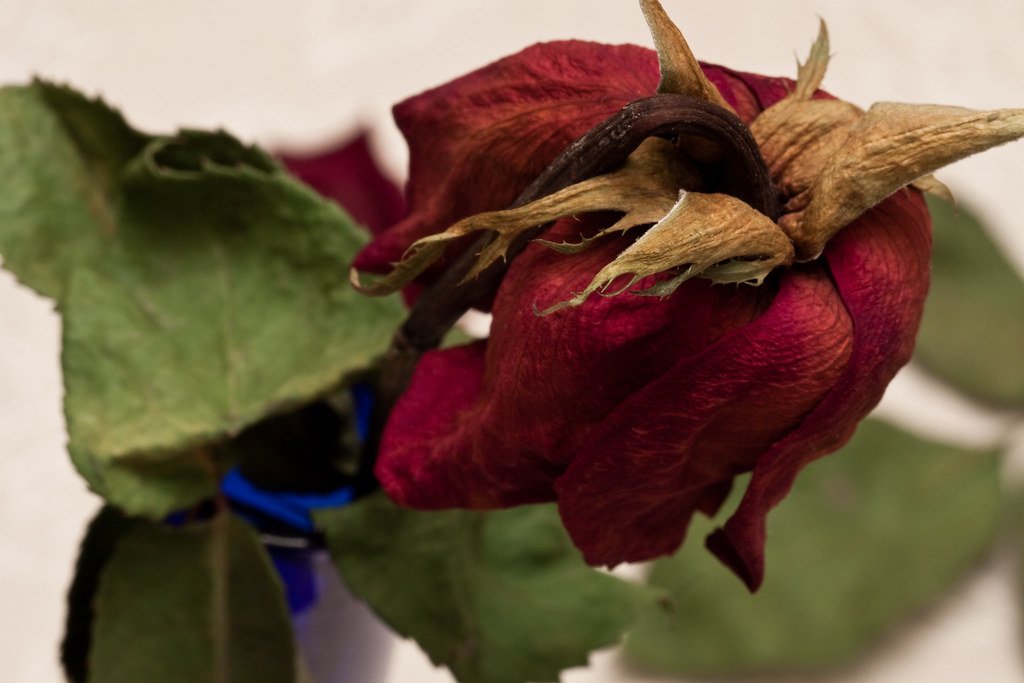
La lástima lastima.
Reflections on difficult knowledge by Adri M. I’ve been doing Lacanian psychoanalysis for 10 years as an analysand. This approach really resonates with me; its famous maxim, “l’inconscient est structuré comme un langage” (the unconscious is structured like a language), captures the shift Lacan made from seeing the unconscious as a reservoir of primal, biological instincts to seeing it as a symbolic system that informs identity, subjectivity, and desire. Desire and trauma are not mere raw feelings; they are shifting words, symbols, images, components of a grammatical system. In this short response, I would like to elaborate more on this Lacanian perspective from my personal point of view. I would like to frame difficult knowledge as a fulcrum between passiveness and autoría (authory, as in being the author, the one in charge of the story). One of the very first topics my analyst and I approached was the concept of pity, and self-pity. We coined the term “La lástima lastima,”. It is pronounced LAH LAHS-tee-mah las-TEE-mah; you can see the words are almost the same, and only the syllable emphasis changes. In Spanish, it means “Pity hurts”, and it is a pity in and of itself that there is no way to translate it to English following the same format of using two words that are so visually similar but have so very different meanings and uses, to some even being contradictory. This has been an ongoing theme of exploration for us: how pity is a two-sided sword: one side relates to empathy, but the other one gets you stuck in a state of no-flow. We have discussed at length how it is very easy to profit from that state of staleness, and unconsciously (or consciously) be unwilling to break out of it. Michalinos Zembylas’ essay and his questioning of “empty empathy” brought these thoughts to mind. I can see many common elements between these two concepts. To me, pity and that empty empathy are very much the same thing. “What is essentially ‘difficult’ about knowledge that stems from trauma is the experience of ‘encountering’ the self through the otherness of knowledge”. One way to approach that knowledge, in my personal experience, is through the process of languageifiyng the unconscious; turning into language. The “otherness of knowledge”, the “looking at a mirror” through knowledge/language, and seeing a reflection that is so different from what is expected. That in itself can trigger more lástima/pity. The challenge is then, as Zembylas says, moving from empty empathy to solidarity; from a state of passive pity that fosters misery, to one of active autoría (authory) that promotes change and assumes responsibility: Farley’s ”radical hope in the face of disillutionment.” vs. “radical hope as a response to the disillusions about the relations between difficult knowledge.”. Rita Kaur Dhamoon also mentions a similar concept in “mutual empathy”, across different group experiences and as a way to challenge the “Oppression Olympics” and confront the founding violence of the settler state: “because any form of Oppression Olympics presumes the legitimacy of settler state sovereignty in mediating competing claims of recognition.” I argue that pity/empty-empathy also validates the violence that gave rise to it; it doesn’t challenge it. Arguably it cavorts in it; fosters it. To challenge it is an active (activist?, militant?) approach that should be embraced and elaborated.
La lástima lastima. Pity hurts. La lástima congela. Pity freezes. La lástima es pasiva. Pity is passive. La lástima nutre el status quo. Pity nurtures the status quo. La lástima nos atrapa en una celda de la que no queremos salir. Pity traps us in a cell we don’t want to leave. — Reta la lástima; mírala a la cara. Challenge pity; face it. Reconócela como empatía vacía. Recognize it as empty empathy. Break out of that cell. Escapa de esa celda. Cámbiala a autoría. Change it to authory. Y toma las riendas de tu propia historia. And take the reins of your own story.